


Coach Wangechi had already coached several school teams before the Basketball Experience programme. Over the years she had seen raw talent, commitment, and indiscipline in equal measure. Coaching young people, she understood, was never just about the sport it was about shaping behavior.
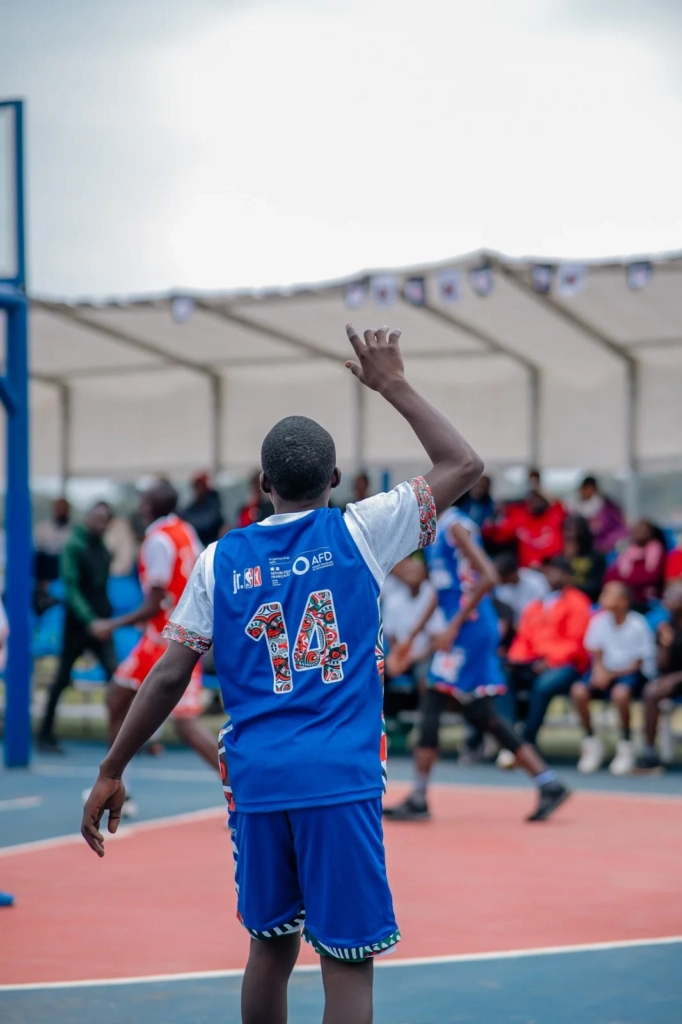
Coach Wangeci was now training three schools as part of the Basketball Experience programme including including Upperhill Boys School, BuruBuru Girls High School, and Peter Kibukosia Primary School. One boy in particular stood out. Not because of exceptional skill, but because of the label around him, “the most rowdy boy at school.”
During training sessions, the 14-year-old was often disruptive, struggled to follow instructions, and affected the morale of the rest of the team. Traditional disciplinary approaches brought only temporary improvement. While he showed potential, consistency and accountability were missing, and his behavior frequently held both himself and the team back.
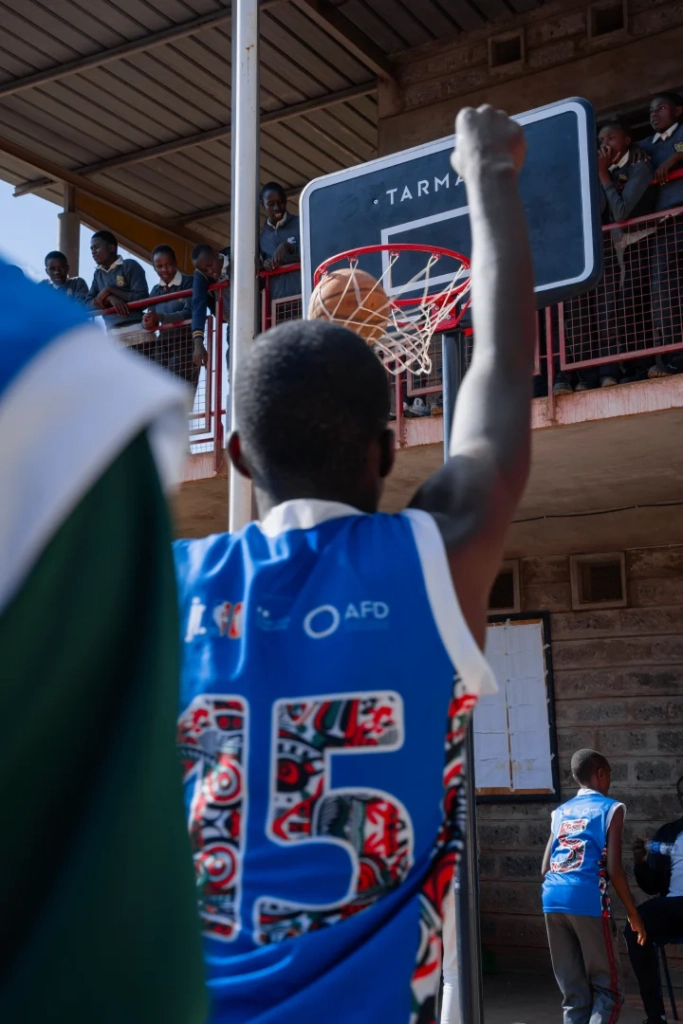
The introduction of the Basketball Experience marked a shift in approach. Rather than focusing on punishment or verbal instruction alone, the program emphasized teamwork, responsibility, and most importantly life skills. Every training session became a space where speaking up mattered, reflection on personal behavior and issues was part of the drill, and players learned how individual actions carried consequences for the entire team.
Within this environment, expectations were clear to remain a part of the team. Players were required to show up on time, listen, communicate, and take responsibility. Slowly, passion grew, and behavior began to change.
Overtime the same boy who once struggled with discipline started arriving early for training. He paid closer attention to instructions, supported his teammates, and began holding himself accountable when mistakes occurred. The shift was not immediate but it was consistent. Eventually he was appointed team captain a role that reflected growth not just in skill, but in leadership and maturity.

“Basketball gave him a reason to change.” Coach Wangechi explained. “It was his first time playing and he really liked the game; he didn’t want to let the team down.”
The impact of the Basketball Experience extended beyond the court. Parents who were initially indifferent or unsure about the program became more involved and supportive. As they observed changes in their children’s behavior improved discipline, confidence, and responsibility they began to recognize the value of the skills being developed through the sport.
“Brian is one of the students that has changed the most, because the same rules that he was following in the program are what he has ended up picking up for himself. Now he is one of the most disciplined students all round, and such a positive influence to the others,” shared his class teacher.
Through regular training and competition, life skills such as communication, emotional control, teamwork, and leadership were no longer abstract concepts. They were practiced consistently, reinforced through action, and applied in real situations.